
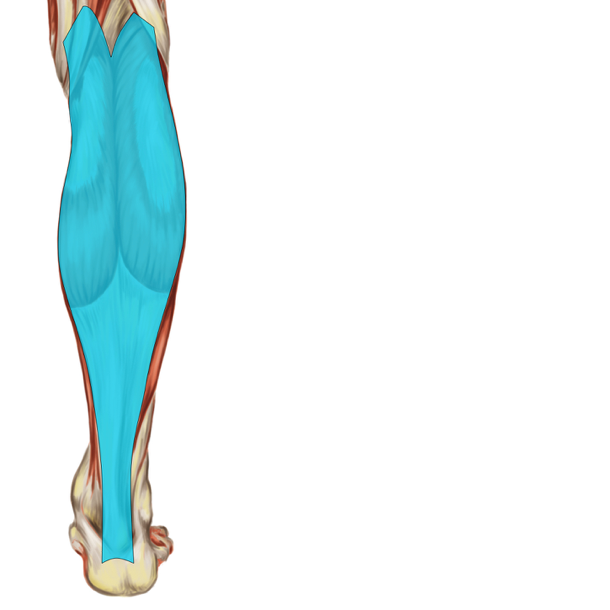
Gastrocnemius
Gastrocnemius
Stretches
Stretches
Gastrocnemius Lower leg and CALF Stretch for All Standing
Gastrocnemius Lower leg and CALF Stretch for All Standing
How to perform the stretch:
1. Start in a standing lunge position
2. Choose the muscle or leg you intend to stretch
3. Extend the target leg behind you by extending the hip
4. Keep the knee extended and the target ankle flexed and in line with the body
5. Lean forward at the hips to increase the stretch
6. This stretch can be performed freestanding or with hands pushing back upon a wall for more stretch control
7. Hold the stretch for 20 Seconds
8. Release the stretch
Gastrocnemius Lateral Head Lower leg and CALF Stretch for All Standing
Gastrocnemius Lateral Head Lower leg and CALF Stretch for All Standing
How to perform the stretch:
1. Start in a standing lunge position
2. Choose the muscle or leg you intend to stretch
3. Extend the target leg behind you by extending the hip
4. Keep the knee extended and the target ankle flexed and rotate the target heel inwards
5. Lean forward at the hips to increase the stretch
6. This stretch can be performed freestanding or with hands pushing back upon a wall for more stretch control
7. Hold the stretch for 20 Seconds
8. Release the stretch
Gastrocnemius Medial Head Lower leg and CALF Stretch for All Standing
Gastrocnemius Medial Head Lower leg and CALF Stretch for All Standing
How to perform the stretch:
1. Start in a standing lunge position
2. Choose the muscle or leg you intend to stretch
3. Extend the target leg behind you by extending the hip
4. Keep the knee extended and the target ankle flexed and rotate the target heel outwards
5. Lean forward at the hips to increase the stretch
6. This stretch can be performed freestanding or with hands pushing back upon a wall for more stretch control
7. Hold the stretch for 20 Seconds
8. Release the stretch
Gastrocnemius Lower leg and CALF Stretch for All Standing on a step
Gastrocnemius Lower leg and CALF Stretch for All Standing on a step
How to perform the stretch:
1. Start by standing on a step
2. Choose the muscle or leg you intend to stretch
3. Extend the target leg behind you by extending the hip and placing the toes and ball of the foot on the edge of the step
4. Keep the knee extended and the target ankle flexed and in line with the body
5. Lower the target heel downward below the edge of the step to increase the stretch
6. Hold the stretch for 20 Seconds
7. Release the stretch
Gastrocnemius Lower leg and CALF Stretch for All Standing foot against step
Gastrocnemius Lower leg and CALF Stretch for All Standing foot against step
How to perform the stretch:
1. Start in a standing lunge position
2. Choose the muscle or leg you intend to stretch
3. Flex the target leg in front of you by flexing the hip and placing the toes and ball of the foot on the edge of the step or against a wall
4. Keep the knee extended and the target ankle flexed and in line with the body
5. Lean forward at the hips to increase the stretch
6. This stretch can be performed freestanding or with hands pushing back upon a wall for more stretch control
7. Hold the stretch for 20 Seconds
8. Release the stretch
Muscle Details
Muscle Details
The Gastrocnemius is the large ‘twin headed’ muscle on the posterior of each leg, directly below the knee, helping to stabilize the ankle and knee when standing. The tendon fibres of the gastrocnemius, soleus and plantaris blend together to form the calcaneus ‘achilles’ tendon.
Origin:
- Medial head – Above the medial condyle of the femur upon the posterior surface.
Lateral head – Above the lateral condyle of the femur upon the posterior surface.
Insertion:
- Calcaneus via the calcaneus tendon.
Action:
- Plantar flexion of the foot. Assists in knee flexion and foot inversion.
Prolonged wearing of high heels or other lifting footwear can cause a chronic shortening of these muscles. Inflamation or rupture of the calcaneal tendon can be a common injury for runners (poor footwear) tennis players (rapid plantar flexion) and most often occurs at about 5cm above its insertion (narrowest tendon portion).