
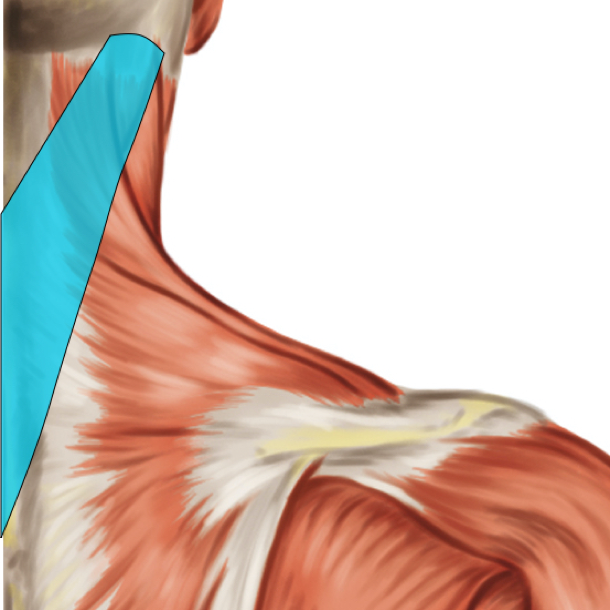
Splenius Capitis
Splenius Capitis
Stretches
Stretches
Splenius Capitis, Bilateral NECK Stretch for All standing
Splenius Capitis, Bilateral NECK Stretch for All standing
How to perform the stretch:
1. Start in a standing position
2. This movement stretches both sides at the same time
3. Flex the top of the neck downward by ‘pulling’ the chin to vocal cords/Adam’s apple
4. Flex both shoulders and arms to bring the hands over the top of the head
5. Curl fingers of both hands over the posterior crown of the head
6. Gently pull the head and neck further downward into flexion to increase the stretch
7. Hold the stretch for 20 Seconds
8. Release the stretch
Splenius Capitis, NECK Stretch for All standing
Splenius Capitis, NECK Stretch for All standing
How to perform the stretch:
1. Start in a standing position
2. Choose the target muscle or side of the body you intend to stretch
3. Rotate the neck and head 45 degrees away from the target muscle
4. Flex the top of the neck downward by ‘pulling’ the chin to vocal cords/Adam’s apple
5. Flex the opposite shoulder and arm to bring the hand over the top of the head
6. Curl the fingers of the hand and place them into the base of the skull behind the ear
7. Gently pull the head and neck further downward into flexion to increase the stretch
8. Hold the stretch for 20 Seconds
9. Release the stretch
Muscle Details
Muscle Details
The Splenius Capitis are primary rotators (unilaterally) and extenders of the neck and head (bilaterally).
Origin:
- Spinous processes C3 – T4 and the nuchal ligament (lower portion).
Insertion:
- Mastoid process of the temporal bone and the occipital bone at the superior nuchal line.
Action:
- Unilateral – Ipsilateral rotation and lateral flexion of the neck. Lateral flexion of the head. Bilateral – Extension of the neck. Extension of the head.
The Splenius Capitis (along with the Splenius Cervicis) are often overstretched and weakened due to poor posture. They are commonly associated with neck and shoulder tension and pain for desk workers who suffer from the postural condition known as ‘rounded shoulders’. Also, the most common muscles are ‘Locked-down’ (unable to rotate/laterally flex head & neck) with heavy pain upon waking from a poor sleeping position or feeling a neck ‘tweak’.